Maximize Your Back-to-School Creativity with Digital Design Files: A Complete Guide
Every year, the back-to-school season brings a wave of preparation—new supplies, fresh outfits, and a sense of renewed purpose. But beyond the shopping lists and classroom assignments, there’s a growing trend that blends creativity with practicality: using digital design files to personalize and elevate school-related projects. Whether you’re a parent looking to customize your child’s gear, a teacher aiming to create an inviting classroom, or a small business owner crafting unique products, a Back to School Student Cloud digital asset bundle can be your secret weapon. This article explores the purpose, significance, and real-world applications of these versatile files, helping you understand how they fit into modern life, education, and creative work.
What Are Back-to-School Digital Design Files?
At their core, digital design files are ready-to-use graphics that you can edit, print, cut, or embed in various projects. A typical bundle, like the one offered in the “Back to School Student Cloud” collection, includes six different file formats—AI, EPS, SVG, DXF, JPG, and PNG—all sized at a generous 1920px by 1280px canvas. These formats ensure that no matter what software or device you’re using, you have a version that works seamlessly. The designs themselves often feature school-themed motifs: pencils, apples, books, backpacks, chalkboards, and cheerful typography. But what truly sets these assets apart is their adaptability. You can resize them, change colours, combine elements, or use them as-is for everything from iron-on transfers to digital invitations.
The 6 Essential File Formats – What They Are and How to Use Them
Understanding the differences between these formats is key to unlocking their full potential. Here’s a breakdown of each, along with practical examples of how they can be applied during the back-to-school season.
1. AI (Adobe Illustrator) File
AI files are native to Adobe Illustrator, a professional vector graphics editor. Because they are vector-based, they can be scaled to any size without losing quality. This makes them ideal for large-scale projects like posters, banners, or bulletin board decorations. If you or a friend have access to Illustrator, you can tweak every curve and colour to match a specific classroom theme or school colour scheme.
2. EPS (Encapsulated PostScript) File
EPS is a universal vector format that works across many design programs, including CorelDRAW, Affinity Designer, and even older versions of Illustrator. It’s a safe bet for exchanging files between different software. Use EPS when you’re creating high-resolution print materials such as flyers for a school event or stickers for student reward charts.
3. SVG (Scalable Vector Graphics) File
SVG has become the darling of the crafting world because it’s natively supported by cutting machines like Cricut and Silhouette. If you’re making custom iron-on decals for a backpack, cutting felt shapes for a classroom rug, or designing vinyl wall decals for a reading corner, SVG is your go-to. It’s also web-friendly, so you can upload it to websites or use it in digital presentations.
4. DXF (Drawing Exchange Format) File
Originally developed by Autodesk for CAD software, DXF files are also widely used in the crafting community, especially for cutting machines that require precise outlines. Many laser cutters and plotters accept DXF. If you’re producing stencils, wooden signs, or intricate cardstock cutouts for a “Welcome Back” display, this format ensures crisp, clean edges.
5. JPG (Joint Photographic Experts Group) File
JPG is a standard raster image format, perfect for everyday use. It’s great for printing photos, sharing on social media, or including in a digital slideshow. Use a JPG when you need a quick visual reference, for example, to show students what their new classroom looks like or to print a colourful “Homework Helper” chart.
6. PNG (Portable Network Graphics) File
PNG supports transparency, meaning the background can be invisible. This is incredibly useful when you want to place a design over a coloured background or another image. Think of creating a “First Day of School” photo frame where the child’s face shows through, or adding a stack of books graphic to a newsletter header. PNG retains crisp edges and is ideal for digital scrapbooking.
Why Digital Assets Are a Game-Changer for Back-to-School Preparation
The true value of a well-curated design bundle lies in how it simplifies and enriches the back-to-school experience. Here are a few reasons why these files have become indispensable for educators, parents, and creative entrepreneurs.
- Cost-Effectiveness: Instead of buying pre-decorated supplies or hiring a designer, you can purchase one bundle and create dozens of custom items. A single set of digital files can produce labels, badges, cards, and more.
- Unlimited Customization: Want to add a student’s name? Change the colour to match school spirit? Scale it to fit a binder cover? All of this is possible with vector formats (AI, EPS, SVG). You control the outcome.
- Speed and Convenience: With high-resolution files ready to download, you can go from concept to finished project in hours. No need to draw from scratch or search for clipart—the design is already polished and consistent.
- Cross-Purpose Use: A single back-to-school design can appear on a T-shirt, a pencil case, a classroom poster, and a digital newsletter. The same asset works across different mediums, saving time and ensuring a cohesive look.
How to Incorporate These Files into Your Projects: Real-World Ideas
Knowing the file types is one thing; seeing them in action brings the possibilities to life. Here are several ways to put a Back to School Student Cloud bundle to work.
Personalized Student Supplies
Use SVG or DXF files to cut adhesive vinyl or iron-on material for notebooks, water bottles, lunchboxes, and pencil pouches. Matching labels help avoid lost items and give each child a sense of ownership. For example, cut out a smiling pencil graphic and your child’s name in a fun font, then apply it to a plain binder.
Classroom Decor and Organization
Teachers can print large JPG or PNG versions of welcome signs, subject area posters, or daily schedule cards. Use AI or EPS to adjust the size for a bulletin board. You can even create a “Birthday Board” or “Star Student” display with consistent graphics. The 1920x1280 canvas size is perfect for printing at reasonable dimensions without pixelation.
Gifts and Thank-You Items
The bundle can also be used to create thoughtful thank-you gifts for parent volunteers, teaching assistants, or fellow educators. Think of a custom mug with a “Best Teacher” apple design (using SVG for ceramic printing) or a tote bag with a school bus graphic. Because you have both vector and raster formats, you can adapt the same design to different products.
Digital Communication and Social Media
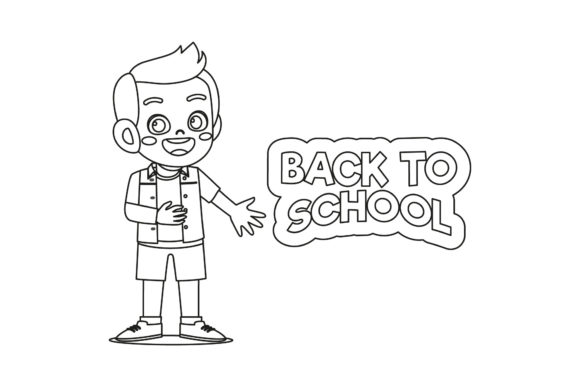
Use PNG with transparent backgrounds for email headers, class newsletters, Google Classroom headers, or Instagram posts. A cheerful “Back to School” graphic can set a positive tone for families and students. The same file can be resized for a Zoom virtual background during parent-teacher conferences.
Common Misunderstandings About Digital Design Files
Despite their growing popularity, several myths can confuse users. Let’s clear them up.
“I need expensive software to use these files.” Not necessarily. While AI and EPS are best for advanced editors, free programs like Inkscape (for SVG) or GIMP (for PNG/JPG) can handle many tasks. SVG and DXF are widely supported by affordable or free crafting software. For JPG and PNG, you only need basic image viewers or free online editors.
“Vector files are complicated.” They might seem intimidating at first, but most bundles come with easy-to-follow instructions. Once you open an SVG in a design app, you can usually drag, drop, and change colours with simple clicks. Online tutorials are abundant and beginner-friendly.
“I can’t edit the designs.” On the contrary, these files are designed for editing. The AI, EPS, and SVG formats are fully scalable and customizable. You can change colours, remove elements, add text, or combine multiple graphics. Only the JPG and PNG are static, but they serve different purposes—like quick printing or sharing.
“Commercial use isn’t allowed.” Many bundles include commercial licenses, but you should always check the specific terms. Most allow you to sell physical products made from the designs, as long as you’re not reselling the digital files themselves. This opens up opportunities for small businesses or fundraisers.
Tips for Beginners Getting Started with Digital Crafting
If you’re new to using design files for back-to-school projects, here’s a simple roadmap to begin.
- Start with a simple project. Choose a format that matches your tools. If you have a cutting machine, SVG or DXF is perfect. If you’re printing, JPG or PNG is easiest. Try making a single label or a greeting card first.
- Use free or trial software. Programs like Inkscape (vector), GIMP (raster), or Cricut Design Space (for SVG) are excellent starting points. Many have extensive help communities.
- Experiment with editing. Open an AI or SVG file and try changing a colour or resizing an element. You’ll quickly see how intuitive the process can be.
- Test your materials. Whether you’re printing on paper, cutting vinyl, or using heat transfer, always do a sample run. Adjust size and colour settings before committing to the final product.
- Build a library of assets. Collect bundles that share a similar theme. Over time, you’ll have a rich collection that makes future projects faster and more consistent.
The Bigger Picture: Digital Assets in Modern Education and Creativity
The rise of accessible design files reflects a broader shift toward personalization and democratized creativity. In the past, custom school supplies or classroom decor required graphic design skills or a significant budget. Now, anyone with a computer, a cutting machine, or even a printer can produce professional-looking results. This empowers teachers to create engaging learning environments, helps parents express their child’s personality, and enables small creators to turn a passion into a micro-business.
Moreover, these files support digital literacy. As students see how SVG or DXF works, they gain exposure to concepts like resolution, file compatibility, and vector vs. raster graphics—skills that are increasingly valuable in a technology-driven world. For educators, incorporating design assets into classroom projects can be a stealthy way to teach art, math (scaling, geometry), and career readiness.
Final Thoughts: Making the Most of Your Back to School Student Cloud Bundle
The “Back to School Student Cloud” collection is more than a set of pretty pictures—it’s a toolkit for creativity, efficiency, and connection. By understanding each file format and its ideal use case, you can transform routine school preparations into meaningful, personalized experiences. Whether you’re crafting a welcome sign for a classroom, a durable label for a lunchbox, or a heartfelt thank-you for a volunteer, these digital assets provide the foundation. The best part? Once you have the files, they can be reused year after year, for different students, different themes, and different occasions. Take a few minutes to explore the AI, EPS, SVG, DXF, JPG, and PNG files in your bundle, and let them inspire your next back-to-school project. With a little imagination, the possibilities are endless.
Thank you for stopping by and exploring the potential of digital design for the back-to-school season. Whether you’re a seasoned crafter or just beginning, these files are here to simplify your creative process and add a personal touch to every project.